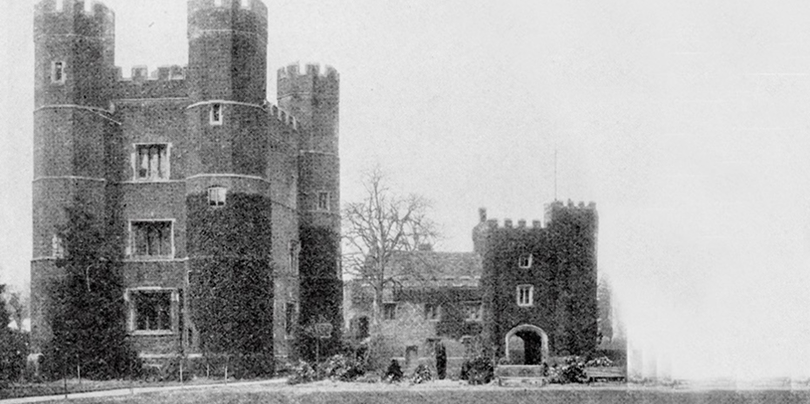
Early Origins (11th–13th Centuries)
c. 1066 – Buckden identified as a manor associated with the Bishops of Lincoln.
1086 (Domesday Book) – A substantial estate is recorded, including church, mill, and settlement.
12th century – Buckden becomes an important residence for the Bishops of Lincoln due to its strategic position between Lincoln and London.
1200–1250 – Development of a manor house and early palace buildings; Buckden functions as a key episcopal residence.
13th century – Expansion of the Great Hall and establishment of Buckden as a regular stopping place for bishops and royal visitors.
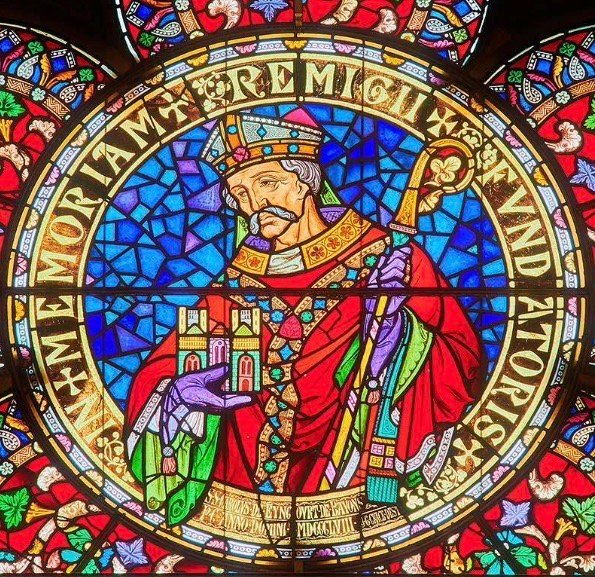
St Hugh of Lincoln
Medieval Peak (14th–15th Centuries)
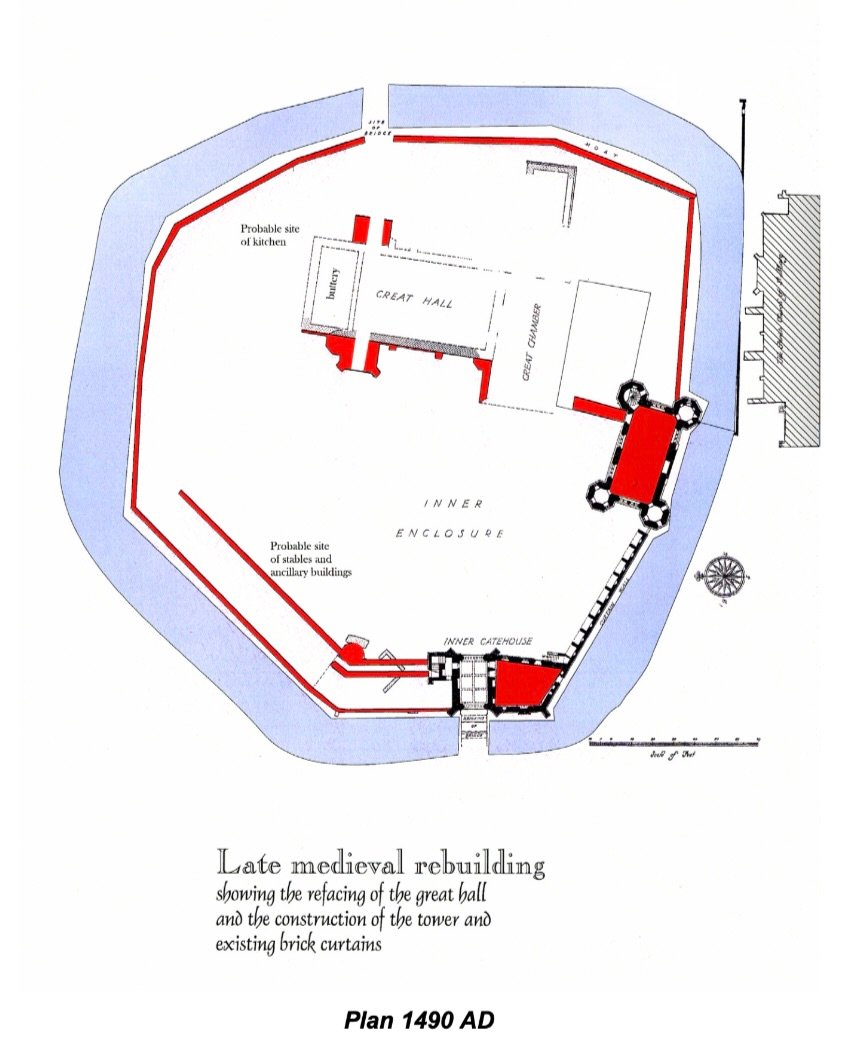
Buckden thrives as a major palace of the Bishops of Lincoln, used for administration and hospitality.
Frequent royal and episcopal visits reinforce its importance.
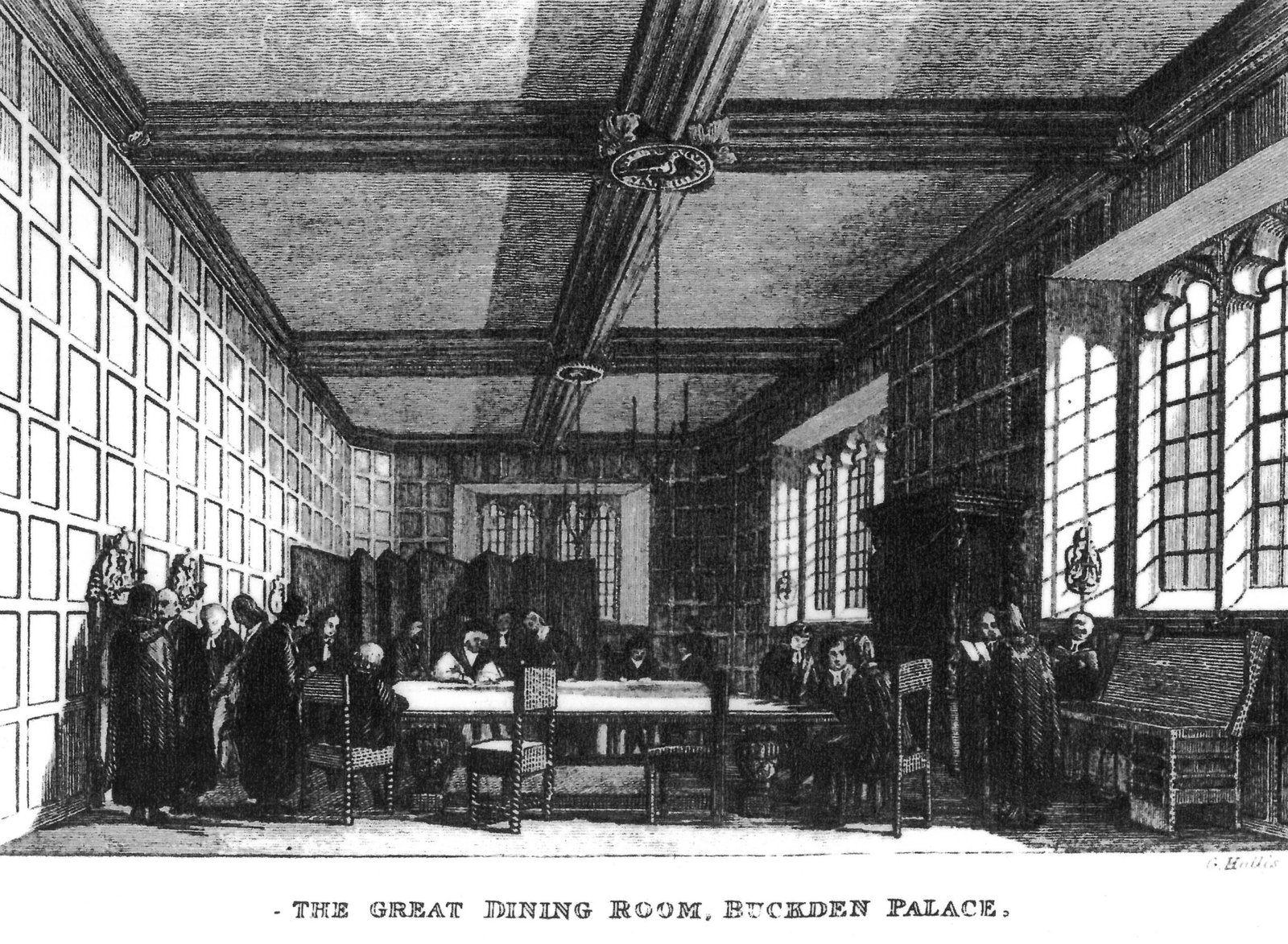
Tudor Period & Transformation (16th Century)
1480s–1514 (Bishop John Russell & successors) – Significant rebuilding, including the chapel.
1533 – Catherine of Aragon resides at Buckden during her separation from Henry VIII.
1534 – Catherine dies shortly after leaving Buckden; the palace’s importance begins to decline.
Mid–late 1500s – Gradual reduction in status as bishops spend less time there.
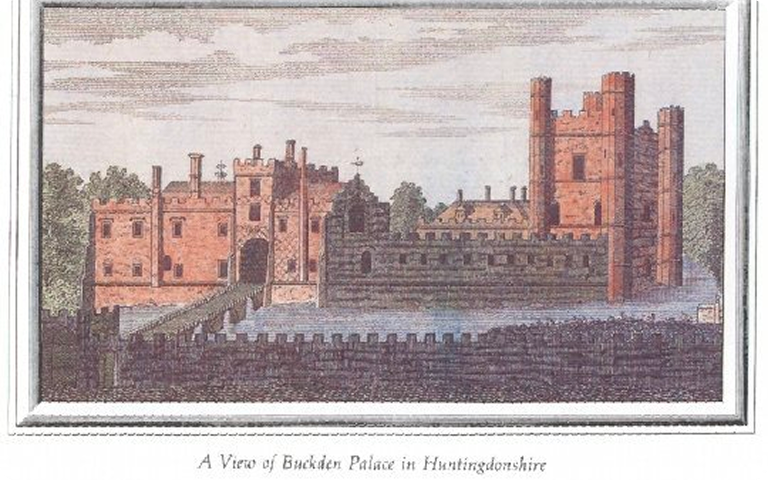
Decline & Civil War (17th Century)
Early 1600s – Palace increasingly neglected; some repairs undertaken.
1640s (English Civil War) – Buckden suffers damage and loss of furnishings.
1647 survey – Describes a large but partially decayed complex with halls, chapel, moat, and outbuildings.
Late 1600s – Much of the palace falls into ruin or is dismantled.
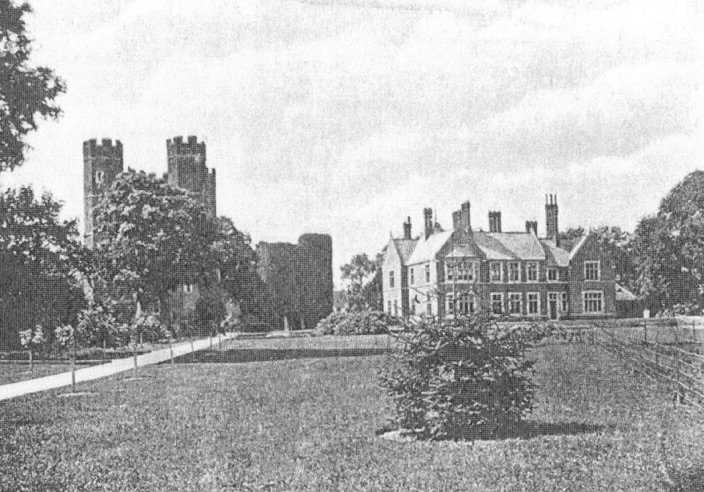
18th–Early 19th Century: Ruin and Transition
1840s–1870s
New house built on the site.
Moat partially filled; landscape altered.
1871 – Construction of Victorian house and ornamental features (including “fishpond”).
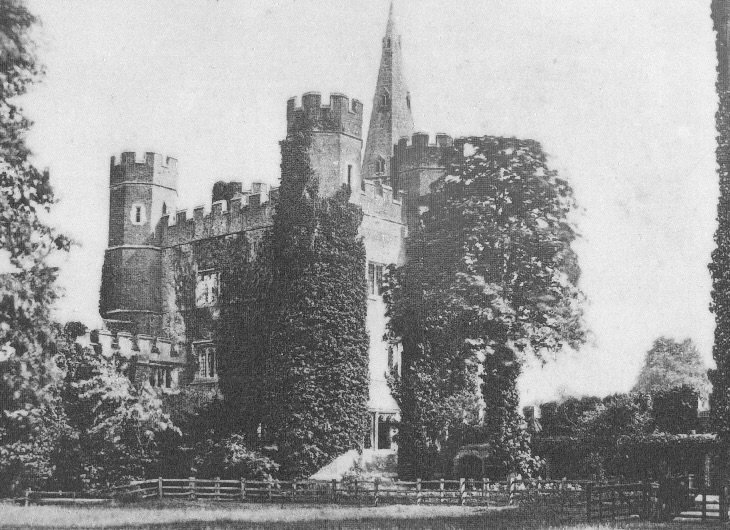
Late 1800s
Site owned by the Marshall family.
Known increasingly as Buckden Towers rather than palace.
Used as a country house.
Early 20th Century: Changing Uses
1911 – House let as a country residence.
1914–1918 (WWI) – Used as a military hospital; nearly 2,000 soldiers treated.
1919–1920s
Hospital closes.
Estate sold; ownership changes.
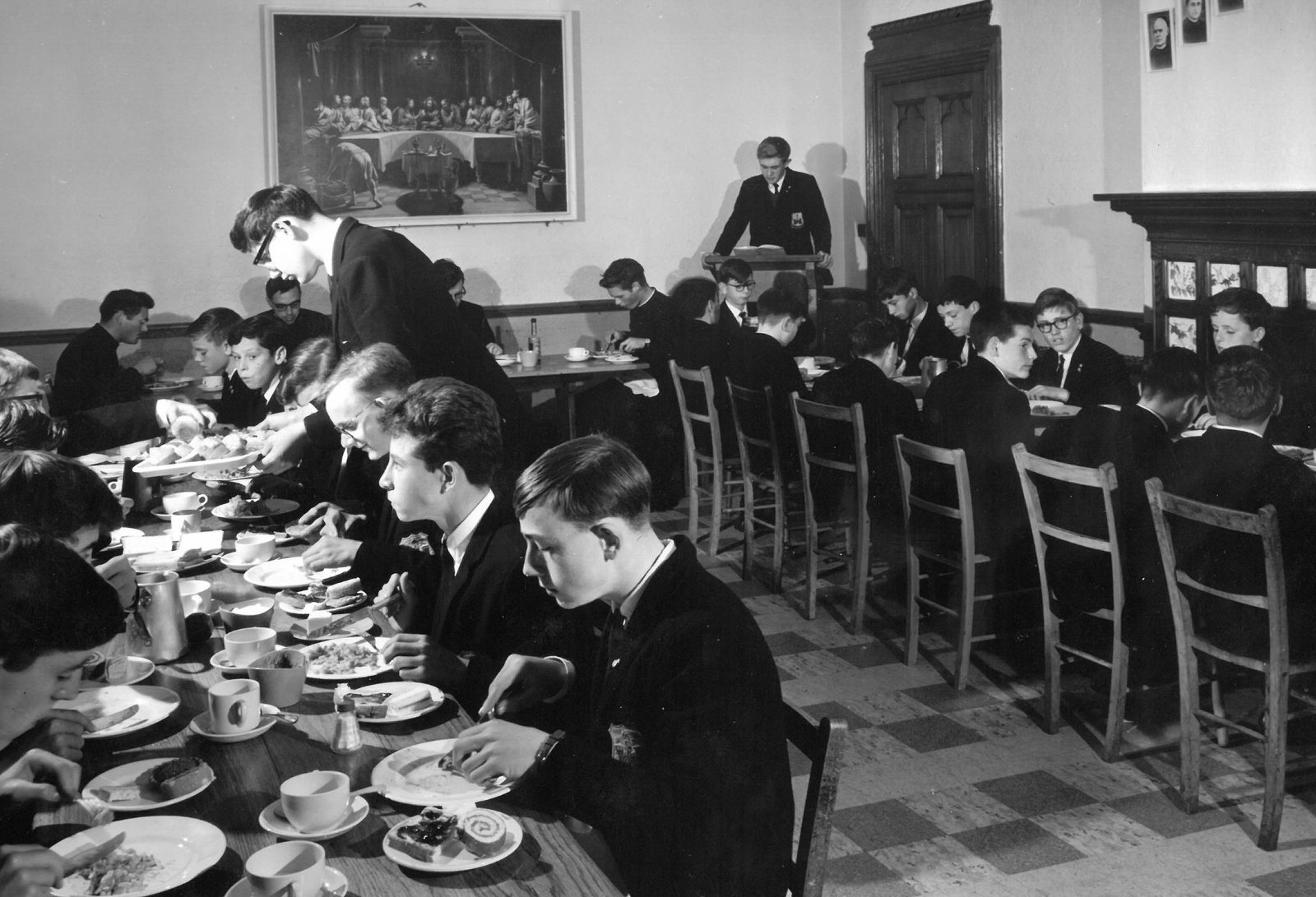
Mid 20th Century: Institutional Use
1956
Site passes to the Claretian Missionaries, A Roman Catholic religious order of Priests and Brothers.
Used for seminary training (junior seminary).
1957–1965
Seminary expands; later closes following changes in vocations.
1960s
New buildings added (e.g., St Stephen’s Hall).
Adaptation of site for religious and educational purposes.
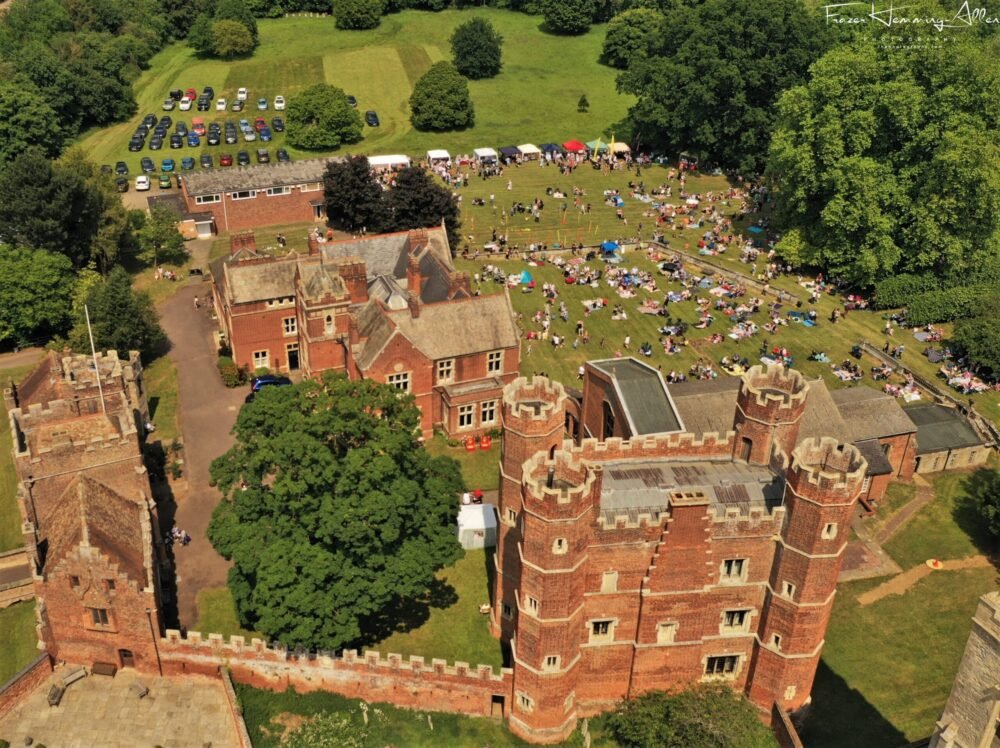
Late 20th Century: Parish & Community Role
1969 – Chapel becomes Parish Church of St Hugh of Lincoln.
1970s–1980s
Continued development of community and religious use.
Formation of Friends of Buckden Towers.
1980s–1990s
Restoration works and improvements to facilities.
Claretian Missionaries continue stewardship.
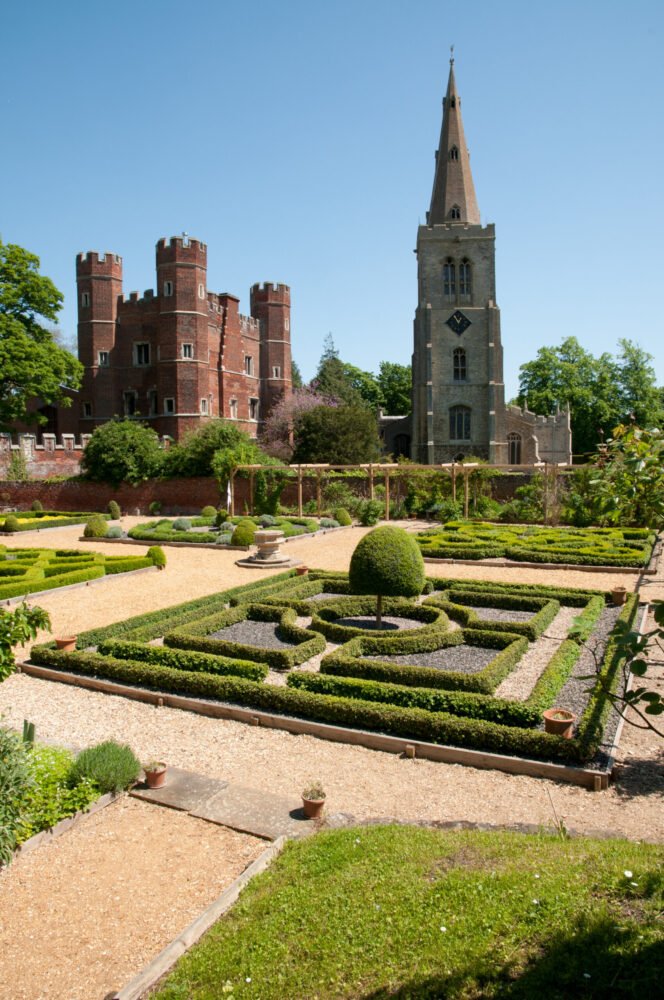
21st Century: Conservation & Use
2000s
Adaptation of buildings for accommodation and community use.
Ongoing repairs (e.g., storm damage repairs in 2004).
Present day:
Buckden Towers functions as:
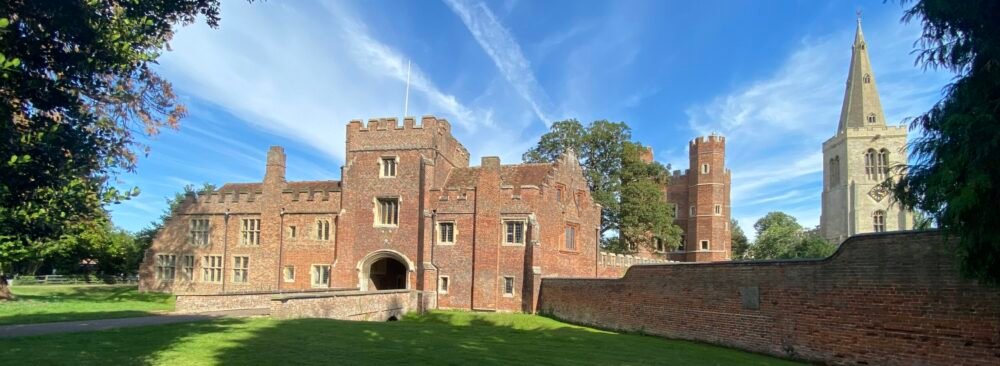
A heritage site
The Claret Centre
A parish and community hub
Ongoing conservation, hospitality, and outreach activities.